CPQ for manufacturing

CPQ software for manufacturing, built for dealer networks

CPQ software for manufacturing holds every option, rule, and price for products that change with every order. Dealect puts that engine in front of custom manufacturers who sell through dealers. Your dealers configure the product, the price follows every click, and a valid quote goes out in minutes. When the buyer signs, the order reaches your shop clean.

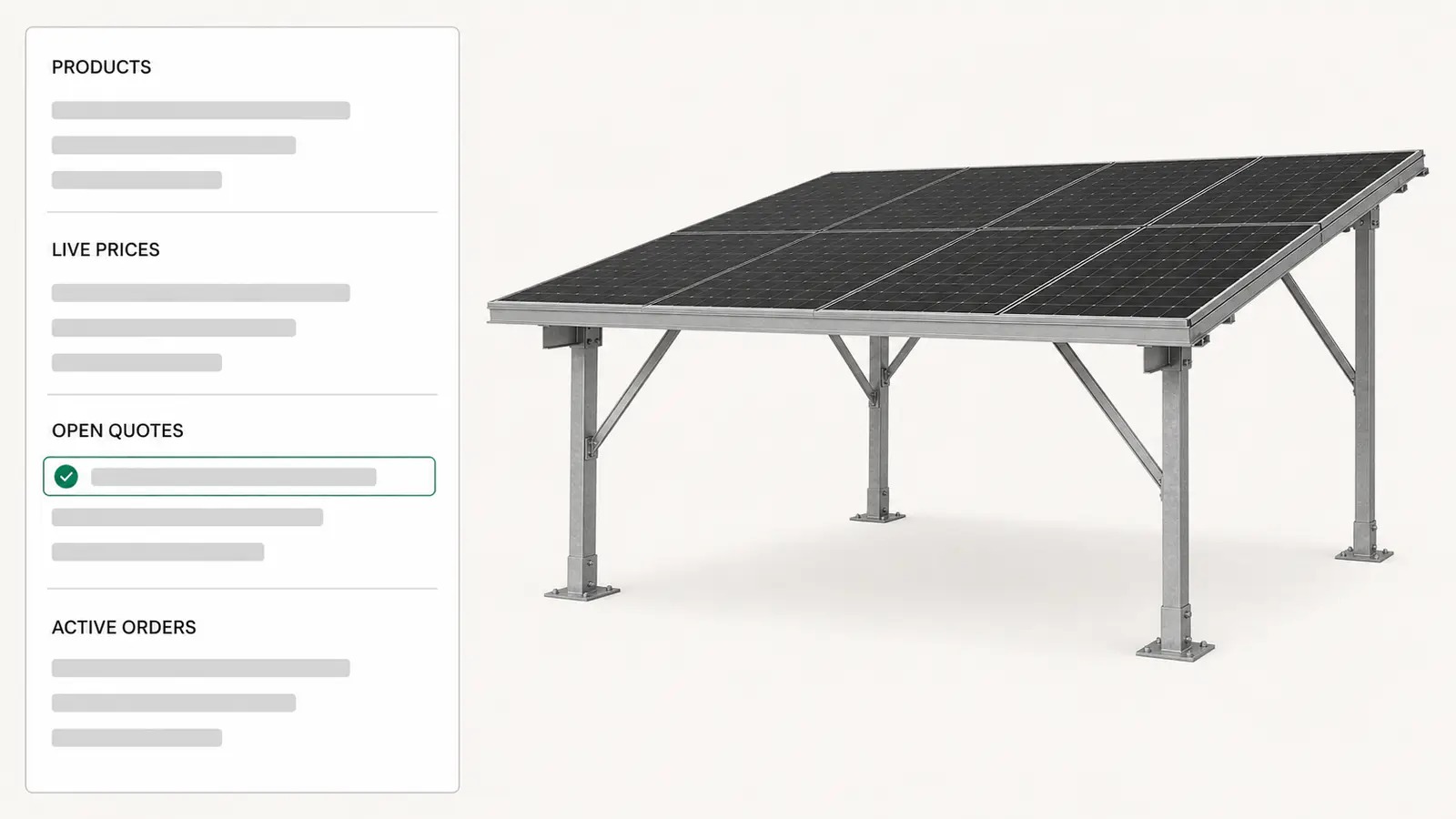
CPQ software for manufacturing shown as one shared manufacturer and dealer dashboard for a configurable solar carport canopy, with products, live prices, open quotes, and active orders.
In plain words

What is CPQ software for manufacturing?

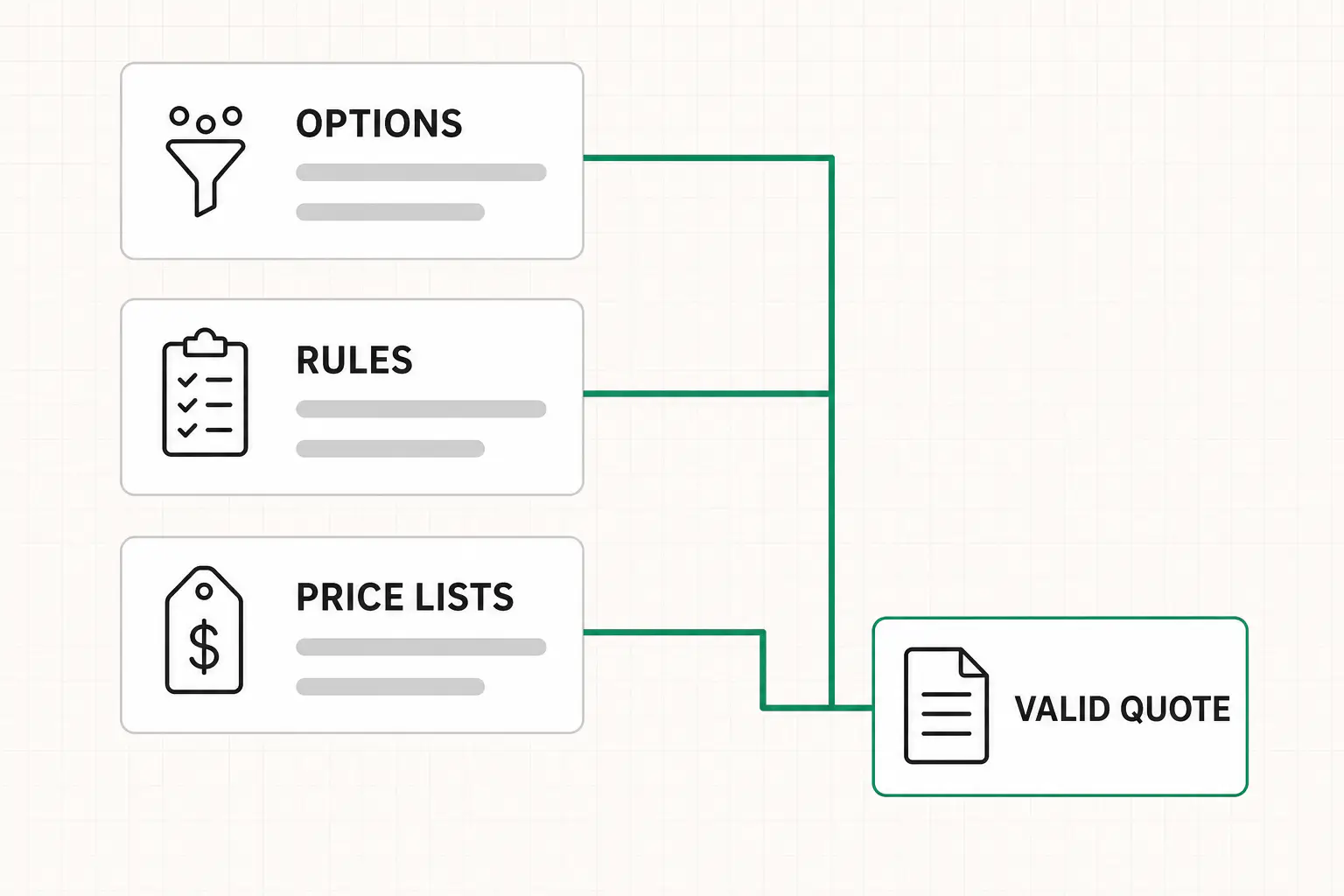
What CPQ software for manufacturing holds: the option list, the rules that say what is buildable, a price list behind every dealer, and the valid quote that comes out of the three.

CPQ software lets a business configure a product, price it, and quote it in one flow. CPQ stands for configure, price, quote. CPQ for manufacturing holds every option, rule, and price for a product that changes with every order, so the quote is always valid.

CPQ is an established category rather than a Dealect coinage. Its general definition, and the constraint logic every implementation of it rests on, are set out in the Wikipedia entry for configure, price and quote. For the term unpacked from first principles, our what is CPQ guide walks the letters, the process, and when a manufacturer actually needs one.

How Dealect applies it

Your dealers build the quote, not your office

Dealect applies CPQ to dealer networks. Your dealers build the quote themselves in the configurator, on their own margin, and you receive a clean order instead of a long email thread. It is CPQ and quoting software for manufacturing companies that sell high-ticket custom products through dealers.

Where the 3D fits

The same flow, with a live 3D view

Visual CPQ pairs that flow with a live 3D view, so the buyer watches the exact build take shape as the price updates. The picture is not the product, though. What makes the quote safe to send is the rules and the prices underneath it. The whole subject, including which kind of picture a product actually needs, is our visual cpq page.

The boundary

CPQ is the whole flow, not one screen of it

The three words are not interchangeable. CPQ is the whole configure, price, quote flow. A product configurator is the front end of the C, the screen where the build gets chosen. Quoting software is the Q on its own, and often has no configuration rules behind it at all. A CPQ configurator is the configurator with the rules and the prices attached, which is the part that makes the number on the quote true.

Written and kept current by the team that builds Dealect, in Mississauga, Canada. About Dealect.

The comparison

CPQ, product configurator, or quoting software?

CPQ covers the whole configure, price, quote flow. A product configurator is the screen where the build gets chosen, and on its own it carries no prices. Quoting software turns a decided specification into a document and rarely knows what is buildable. A CPQ configurator is the one that carries all three, which is why it is the only one that can price a product nobody has built yet.

Side by side · three things people call the same thing
CategoryWhat it doesWhat it does not doWho it is for
CPQHolds the options, the rules, and the prices, and turns a configuration into a priced, valid quoteDoes not design the product for you, and does not plan or schedule the job in the shopManufacturers whose product changes with every order
Product configuratorLets a dealer or a buyer choose the build on screen, often in 3DOn its own it carries no price list, no dealer margin, and no quote documentAnyone who needs the build seen before it is sold
Quoting softwareTurns a specification somebody has already decided into a quote document, and tracks itDoes not know which combinations your shop can build, so it will happily quote one it cannotSellers whose product is fully specified before the quote starts

Joined up, the first two are a CPQ product configurator: the screen your dealer drives, plus the rules and the prices that keep what comes off it sellable. The screen has its own page, the 3D product configurator, and the version your reps and dealers run in the field is the sales configurator. Where each dealer signs in to run all of it on their own price list and their own margin is the B2B customer portal.

The problem

Why manufacturing quotes go wrong by hand.

Complex products have more options, rules, and prices than any spreadsheet can hold, and every manual quote is a chance to get one wrong.

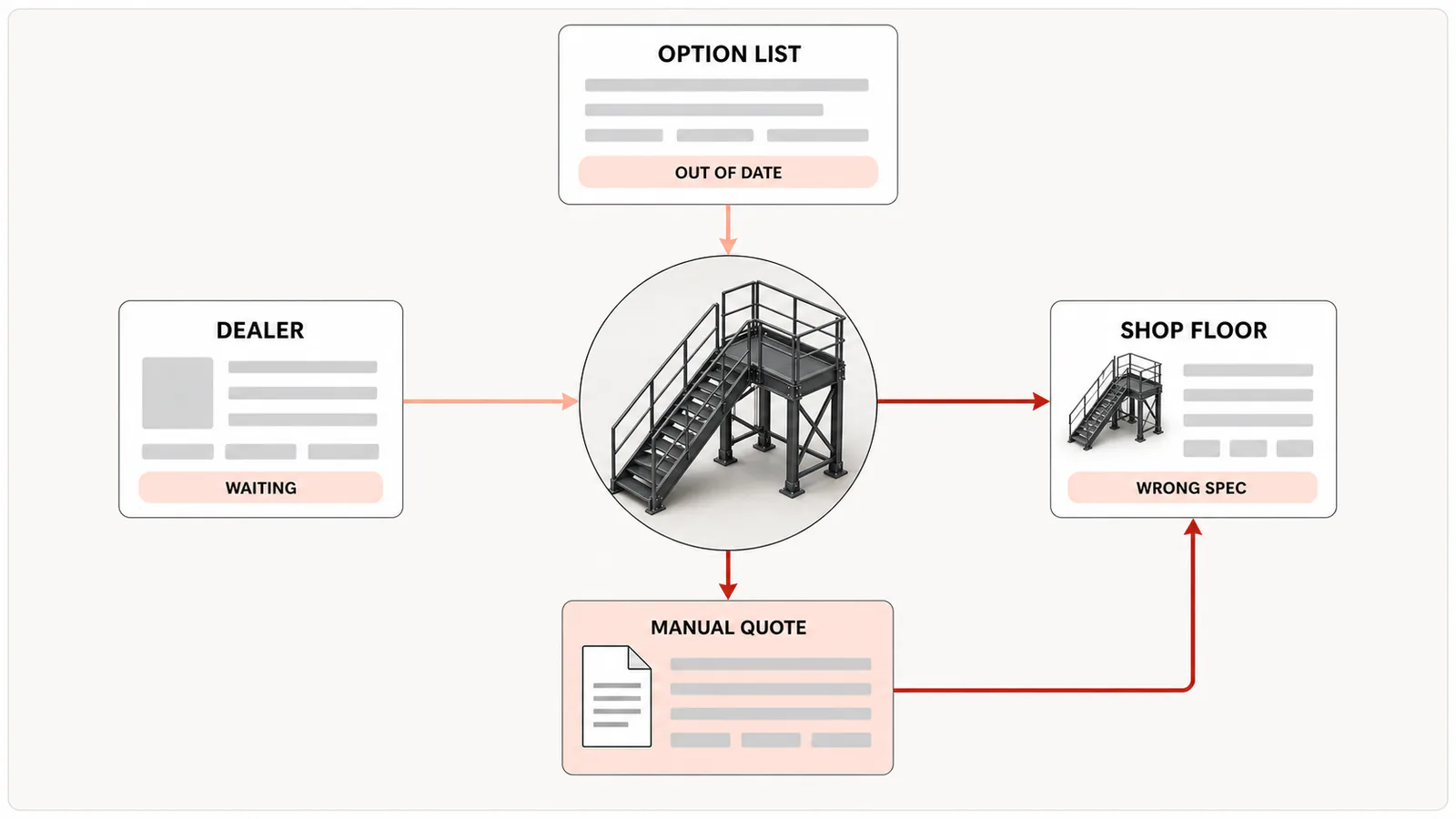
The three places a hand-built manufacturing quote goes wrong: an option list that has outrun the price file, a dealer waiting on the office for a number, and a wrong spec reaching the shop floor.
  • Options outrun the price list

    Sizes, materials, and add-ons multiply into more combinations than a static list can hold. The list is always a step behind the real price.

  • Every quote waits on the office

    A dealer or rep has a buyer ready, but the price lives with you. The deal cools while the quote sits in your queue.

  • Manual quotes carry errors

    A wrong option or an old price slips into a hand-built quote, and the margin, or the whole build, pays for it later.

  • A wrong spec becomes a wrong build

    The order goes to production as typed. On a high-ticket custom product, a mistake cannot be restocked or resold.

CPQ removes the guesswork: the options, the rules, and the prices live in one place, and the quote is built out of them rather than out of somebody’s memory.

How it works

Configure, price, quote, in one flow.

The three letters of CPQ as one path: the dealer configures, the price follows, and the quote and the order come out clean at the end.

  1. Step 01 · Options and rules built in

    Step 1: Configure

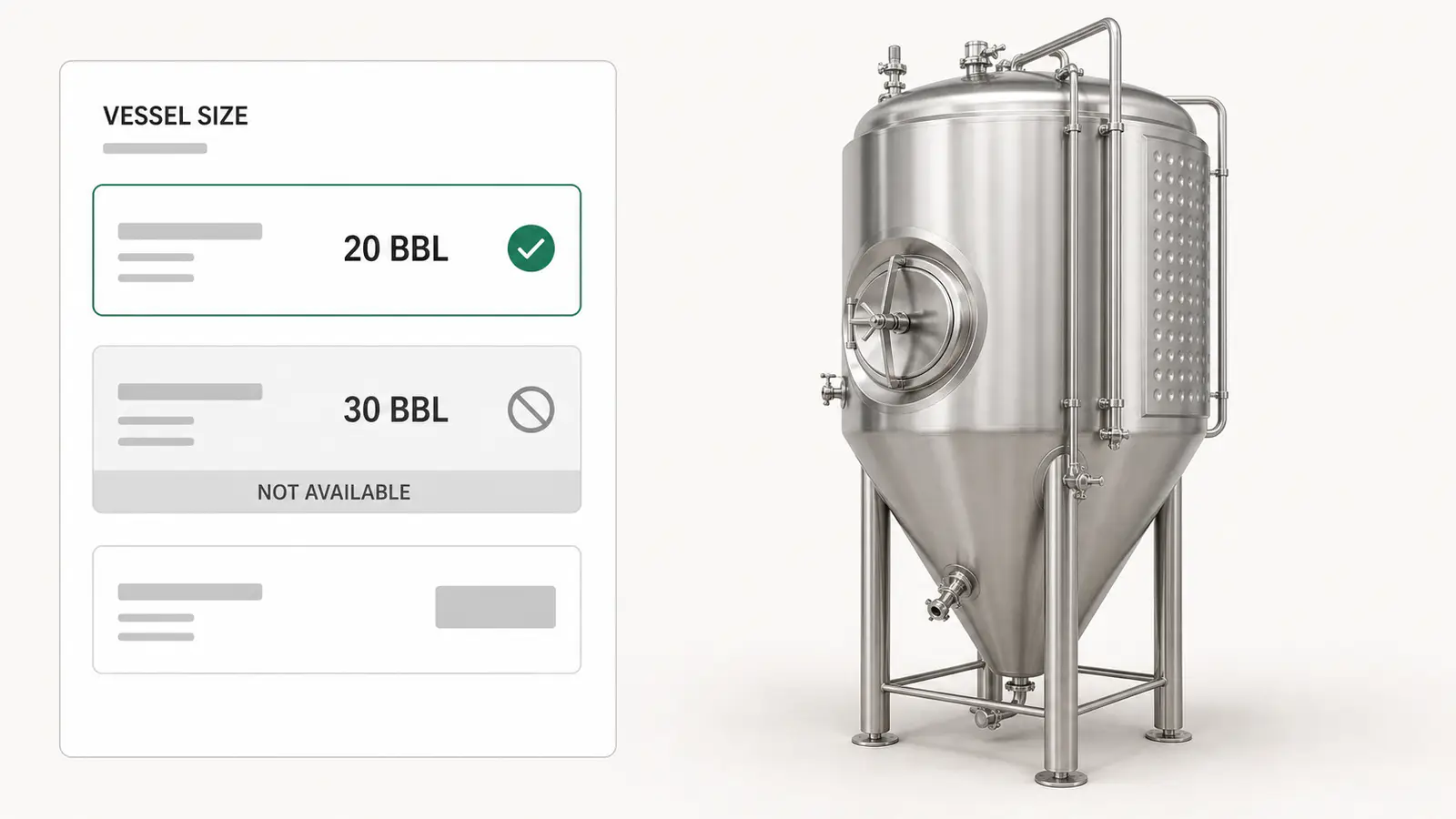
    The dealer builds the product on screen. Your options and rules sit behind every choice, so only valid, buildable configurations are ever quoted. That is what separates a CPQ configurator from a picture of a product: the screen will not let a dealer assemble something your shop would refuse to make.

    Dealer configuring a stainless steel brewhouse fermentation tank on screen, with the vessel size selected and an incompatible fitting ruled out by the manufacturer's own rules.
  2. Step 02 · The price follows every click

    Step 2: Price

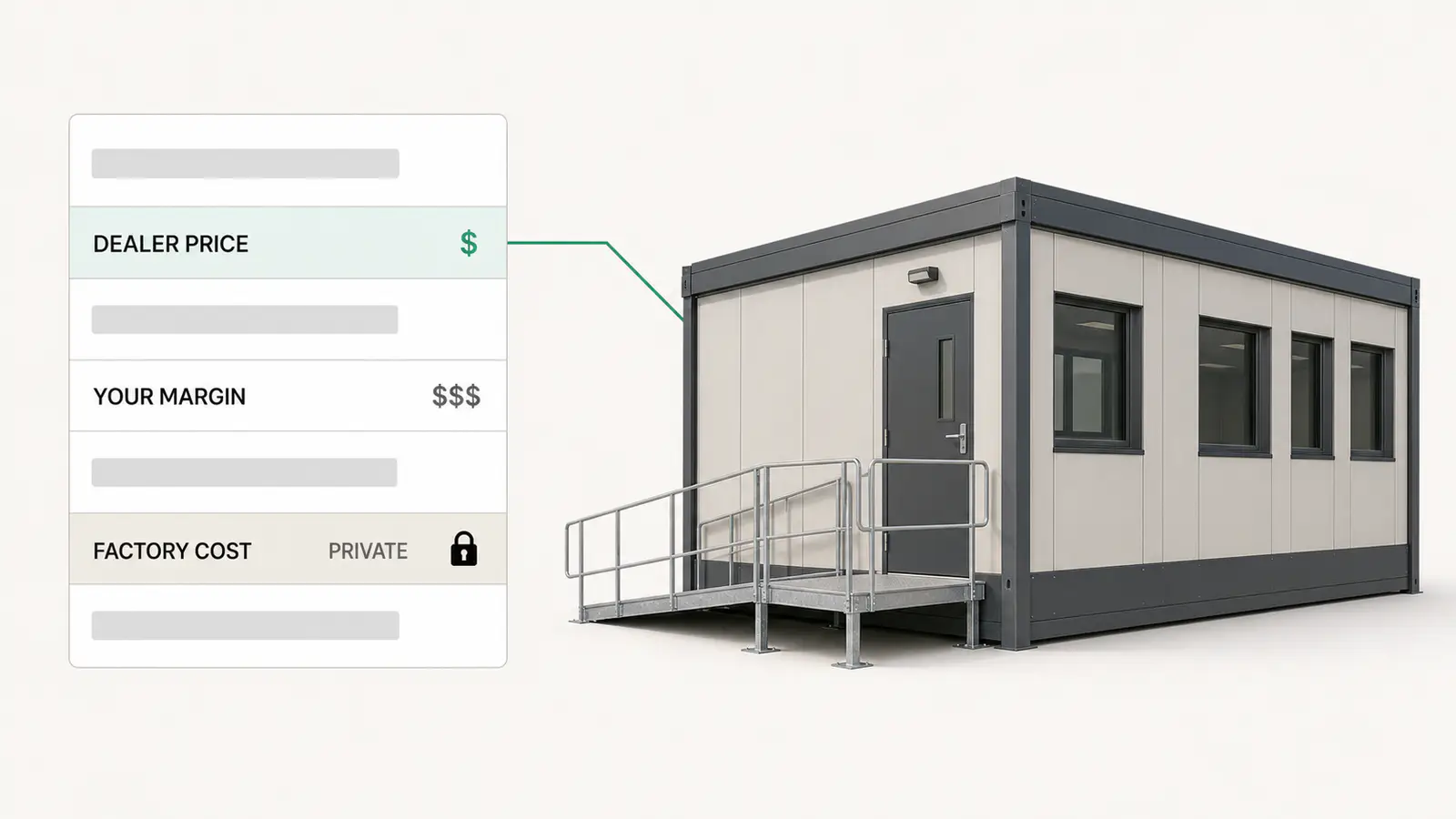
    The price updates as the build changes, on each dealer’s own prices and margin. Your cost price stays with you, and the quote comes out accurate every time. If you run tiers, each tier is its own list, and moving a dealer between them is a setting rather than a new spreadsheet.

    Live price card for a configured modular classroom building, the dealer's own price and margin shown while the manufacturer's cost price stays hidden.
  3. Step 03 · From quote to build sheet

    Step 3: Quote

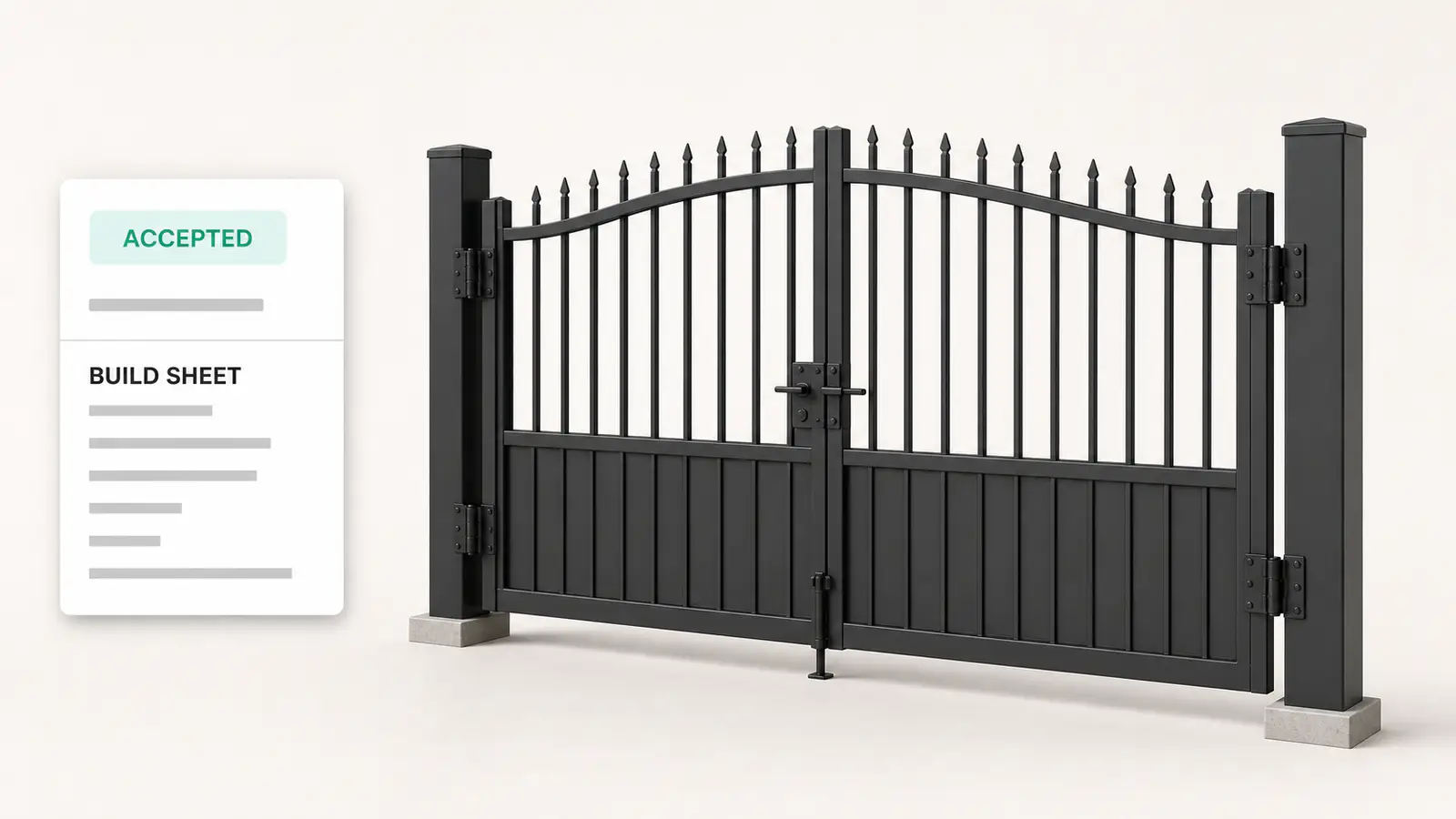
    The buyer gets a finished quote in minutes. When they sign, the configuration becomes the order, and the approved spec becomes the build sheet, straight to production. Nothing in that chain is retyped, which is where the wrong size and the missing option come from.

    A signed quote for a configured ornamental aluminium driveway gate turning into the build sheet the shop works from.

That is the whole flow. Nobody exports anything, nobody re-keys anything, and the only moment the order needs you is the tap that approves it.

Inside the engine

What is inside manufacturing CPQ software

Every vendor lists the same five capabilities: guided selling, constraint-based configuration, approvals, margin control, integrations. This is what the engine actually holds, and what each part takes off your desk. CPQ for complex products lives or dies on this layer, because a quote is only as safe as the rules underneath it.

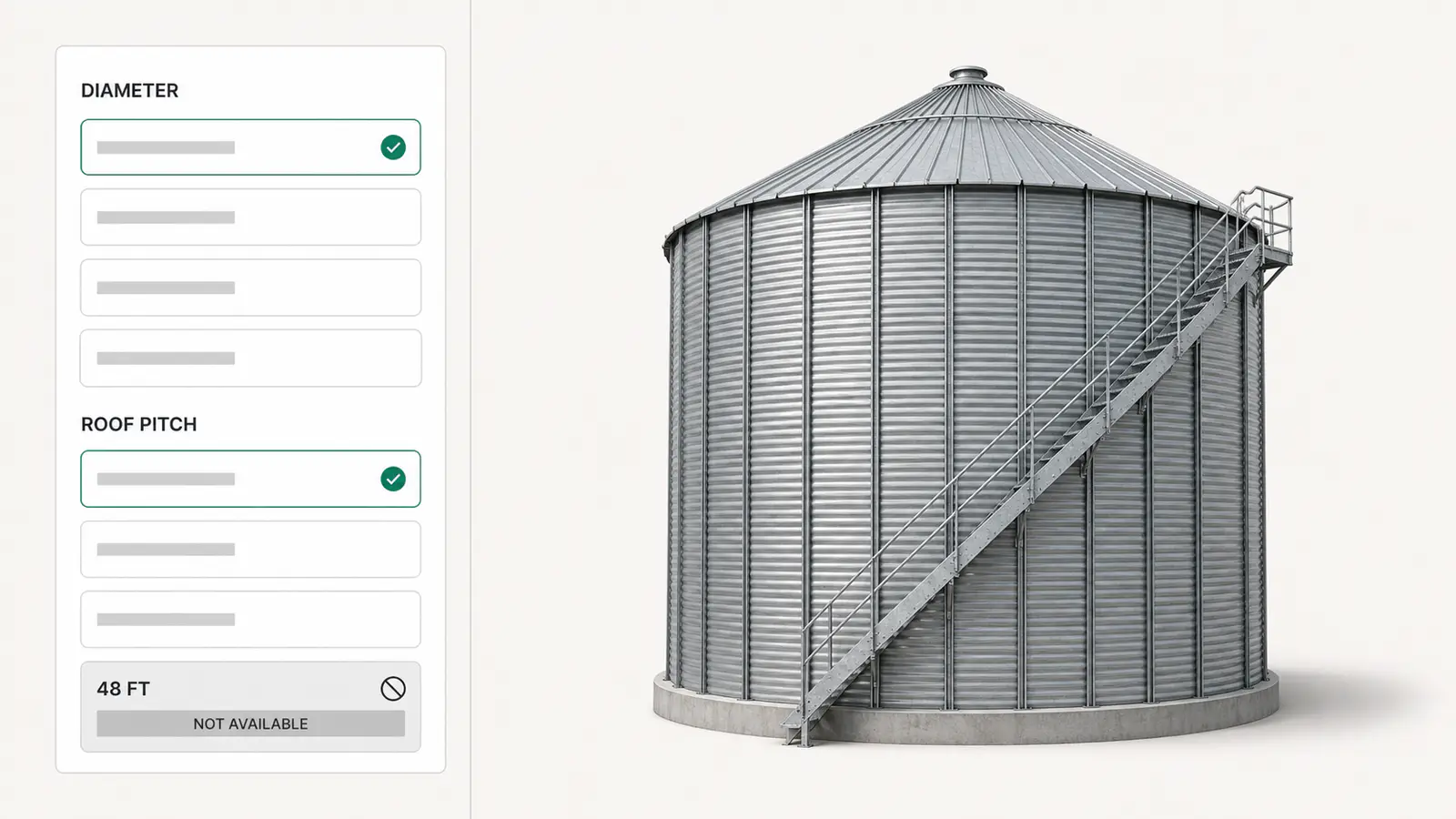
Option rules behind a configured galvanized grain storage bin, with a roof and diameter combination the shop will not build ruled out.

Options and rules, so only buildable quotes go out

Your option groups, dependencies, and shop limits sit behind every choice. A dealer cannot put together a combination you will not build, so nothing needs checking with your office before the buyer sees it.

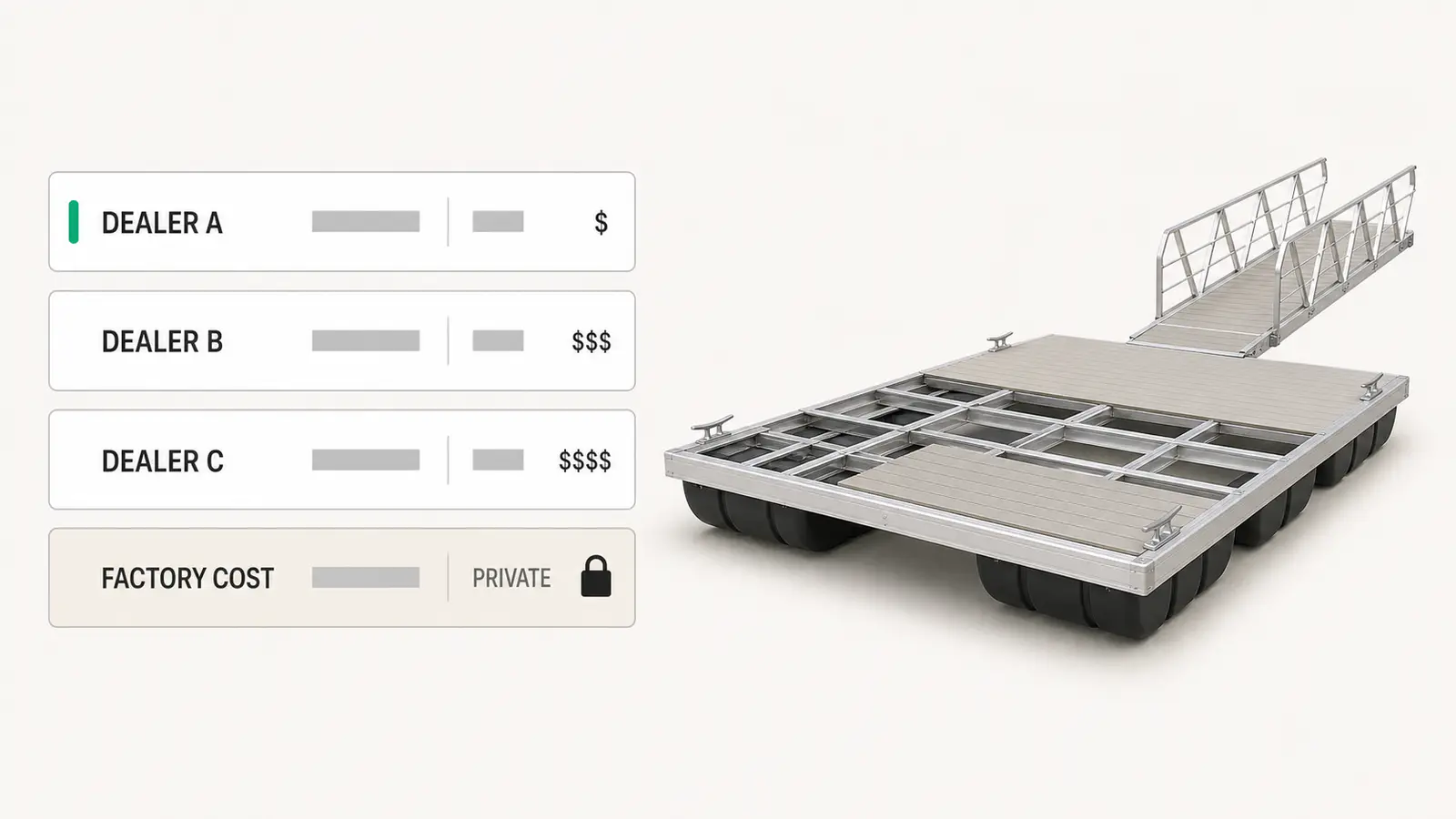
Three dealer price lists for the same configured aluminium floating boat dock, each dealer opening on their own agreed numbers.

A price list per dealer, with your cost kept private

One product line, many price lists. Each dealer or tier opens on the numbers you agreed with them, not a public list with a discount on top. Your cost price never renders on their side of the screen.

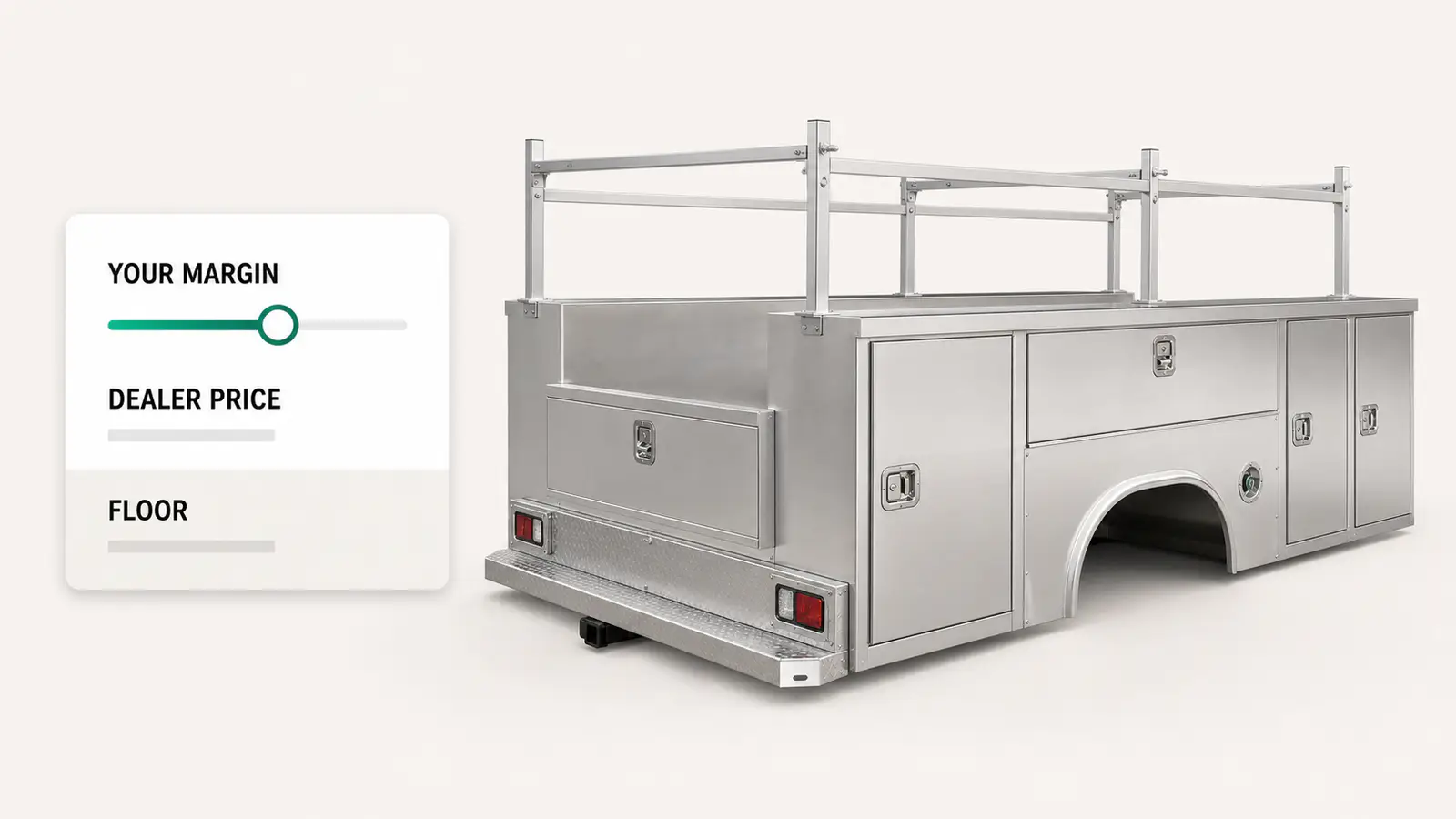
A dealer adjusting their own margin on a configured aluminium truck service body, with the manufacturer's floor price held underneath.

Margin each dealer sets on their own side

The dealer works their own margin on the build and watches it move as the configuration changes. You set the floor. No dealer ever sees what another dealer pays for the same specification.

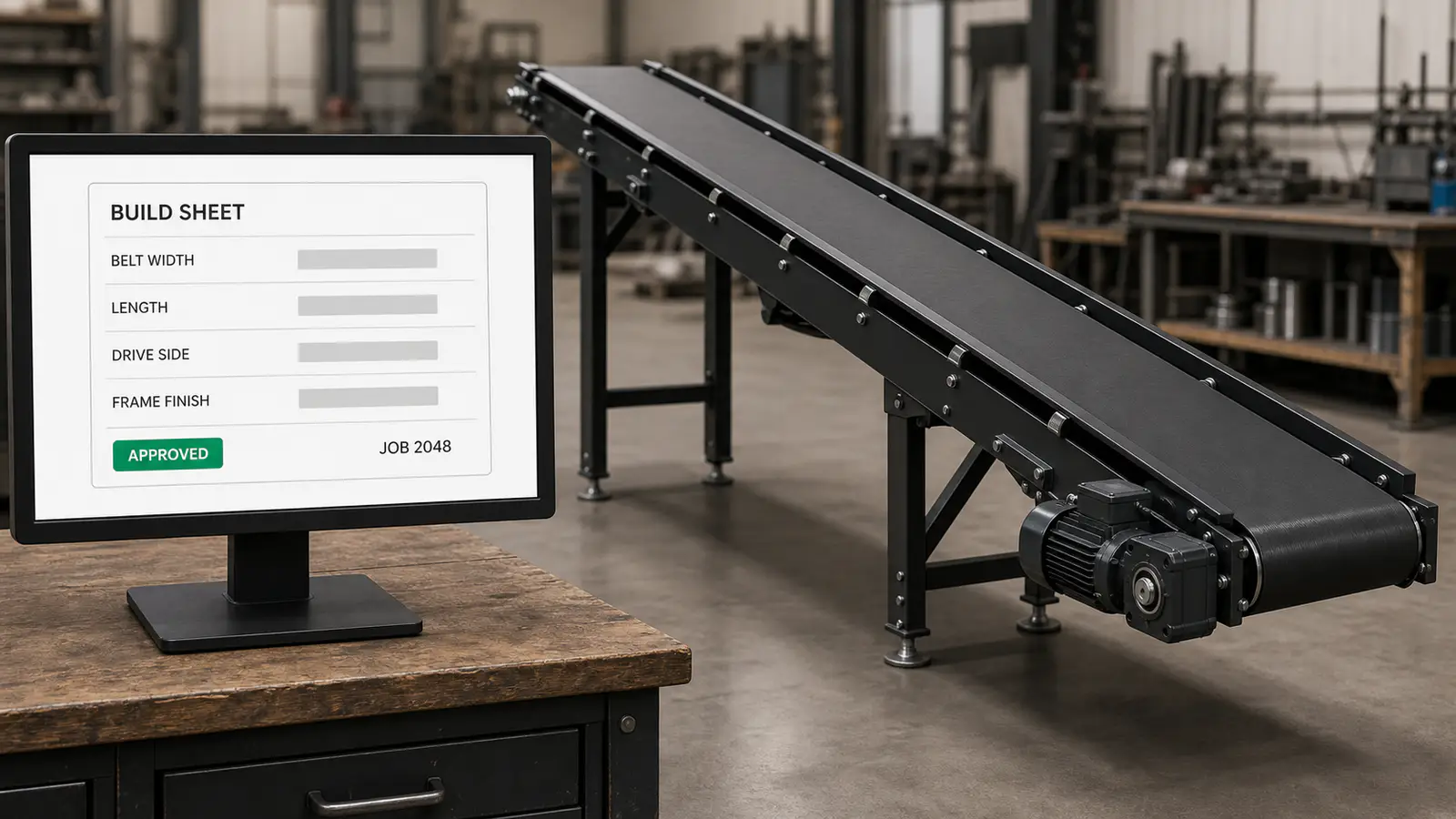
The approved build sheet for a configured belt conveyor system open on a shop floor terminal, with the job number carried through from the dealer's order.

The approved configuration becomes the build sheet

Nobody retypes the spec. When you approve the order, the configuration your dealer sold becomes the sheet your shop builds from, with every option, size, and material carried straight through.

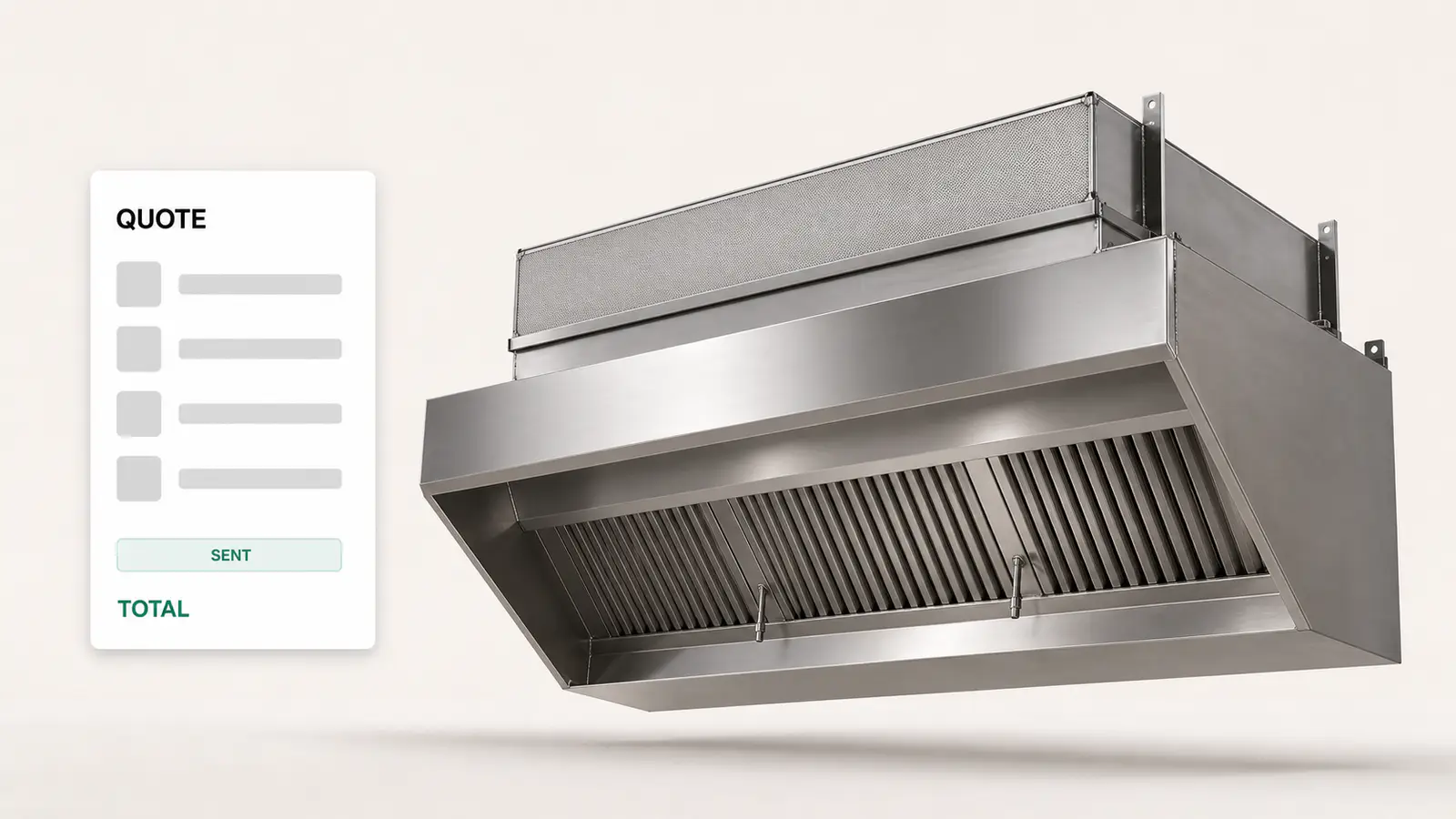
A finished quote document for a configured stainless steel commercial exhaust hood, ready to send with the options and the total already on it.

Quote documents your dealer sends without retyping

The quote leaves as a document the dealer can send the same minute, with the build, the options, and the total already on it. There is nothing to copy out of a spreadsheet and nothing to reformat.

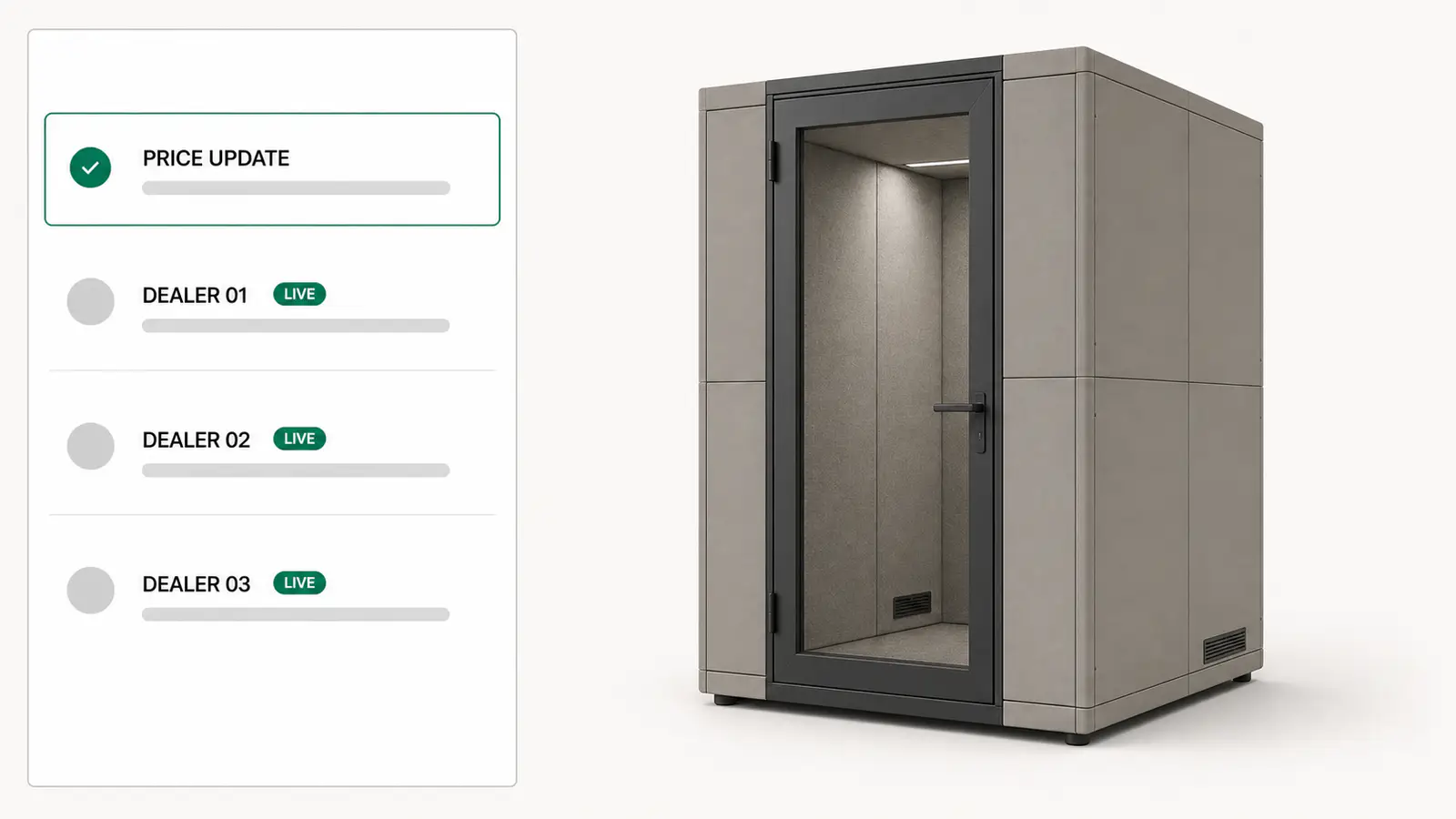
A price change published once on a configured acoustic studio booth and live for every dealer in the network the same minute.

Publish a change once, live for every dealer

A new size, a new material, a price rise. You change it in one place and every dealer quotes the new version the same minute, with no attachment to send and no old file left in circulation.

ERP and CRM

Where CPQ fits with your ERP and your CRM

CPQ does not replace your ERP. CPQ decides what the product is and what it costs before the order exists, and your ERP plans, costs, and schedules the job once it is real. Dealect sits in front of the system you already run and hands it work that is already correct, which is the question every manufacturer asks first.

One order in · two records out · nothing retyped
The dealerA configured order,valid against your rulesCPQThe options, the prices,and your approvalYour ERPLine items, quantities,and datesYour CRMThe lead, with theconfiguration attachedWHERE THE ORDER IS BUILTWHAT YOU ALREADY RUNNOTHING IS EXPORTED AND NOTHING IS RE-KEYED

Your ERP handles the integrated management of your main business processes: it plans, costs, and schedules a job once that job is real. Your CRM is where the relationship lives. Neither of them knows which option combinations your shop will build or what each dealer pays, and neither is a place a dealer should be quoting from. CPQ is the layer that holds both of those facts, which is why it sits in front rather than instead.

What flows where: an approved order goes one way, into the system your shop plans from, as line items, quantities, and dates. The lead behind it goes the other way, into your CRM, with the configuration attached. What the connection covers depends on which systems you run, and it is scoped before anything is built.

CPQ for manufacturing earns its place at this seam, because this is exactly where a retyped spec becomes a wrong build.

Who it’s for

Who this CPQ is built for

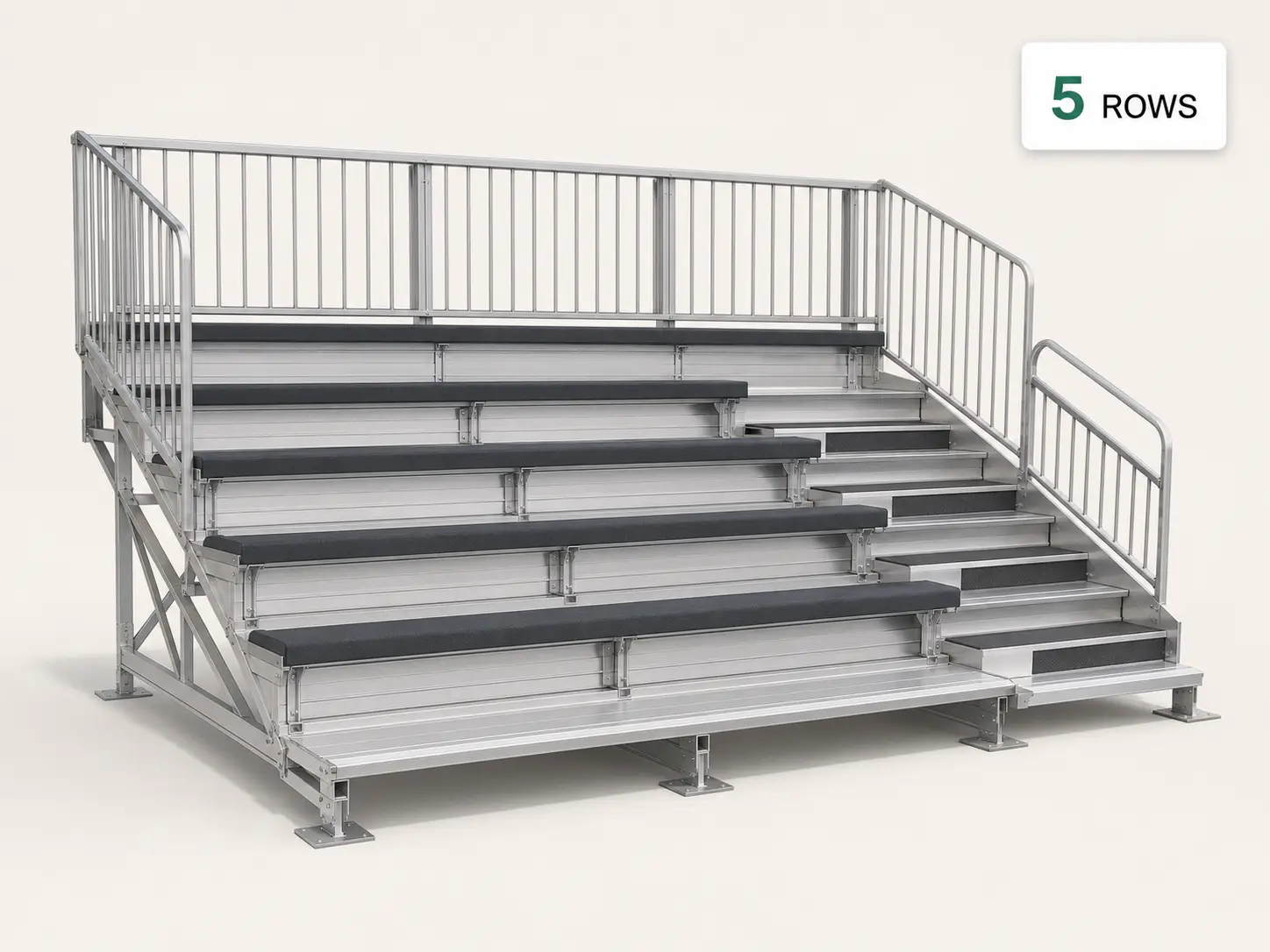
A configured aluminium grandstand seating system as a dealer presents it to a buyer, with the chosen row count, rise, and guardrail picked out.

Dealect is CPQ built for custom manufacturers whose products change with every order and who sell through dealers. If your quotes still come out of a spreadsheet and a phone call, this is the page about replacing both. Manufacturing quoting software that only writes the document leaves the hard half with you: which build is valid, and what this dealer pays for it.

  • Your product is configured to order rather than picked off a shelf
  • Dealers, distributors, or reps quote for you in the field
  • Each dealer or tier buys on their own price list and works their own margin
  • A wrong option on a high-ticket build cannot be restocked or resold
  • Your office is currently the bottleneck between a dealer and a quote

It is not a fit if you sell a fixed catalog at a listed price to anyone with a card. That is a webshop, and a webshop will do it better. It is not the pick either if your own reps sell direct and no dealer ever quotes on your behalf: most manufacturing CPQ software is built for exactly that shape, and the enterprise vendors serve it well. Pick for the channel you actually sell through.

The engine already runs on real product lines: outdoor kitchens, saunas, cabins and garden rooms, trailers and equipment. Two of them have their own pages, the outdoor kitchen configurator and the sauna configurator. An equipment manufacturer CPQ setup and a sauna one are the same engine with a different option list behind them.

The payoff

What changes in the first month

Quote time fell from two days to ten minutes, spec reworks went to zero, and the network sold around the clock. Those are one dealer network’s own figures from their first month on Dealect, after CPQ replaced the spreadsheet and the email thread.

Network report · DLCT 001 · month 01
  • Quote time

    2 days to10 min

    From a dealer’s request to a sent quote.

  • Spec reworks

    weekly to0

    Nothing reaches the shop floor with a wrong spec.

  • Selling hours

    9 to 5 to24/7

    Your dealers quote without the office. You just tap approve.

We do not put a customer’s name next to a number on this page. The figures are our own, from a dealer network’s first month, and where they came from is a fair question to ask on the demo call. Three figures, measured, and no fourth one invented to fill the row.

Going live

What it takes to go live

Every page ranking for this search stops before this part. Here is what you hand over, what we build out of it, and when your first product line is quoting.

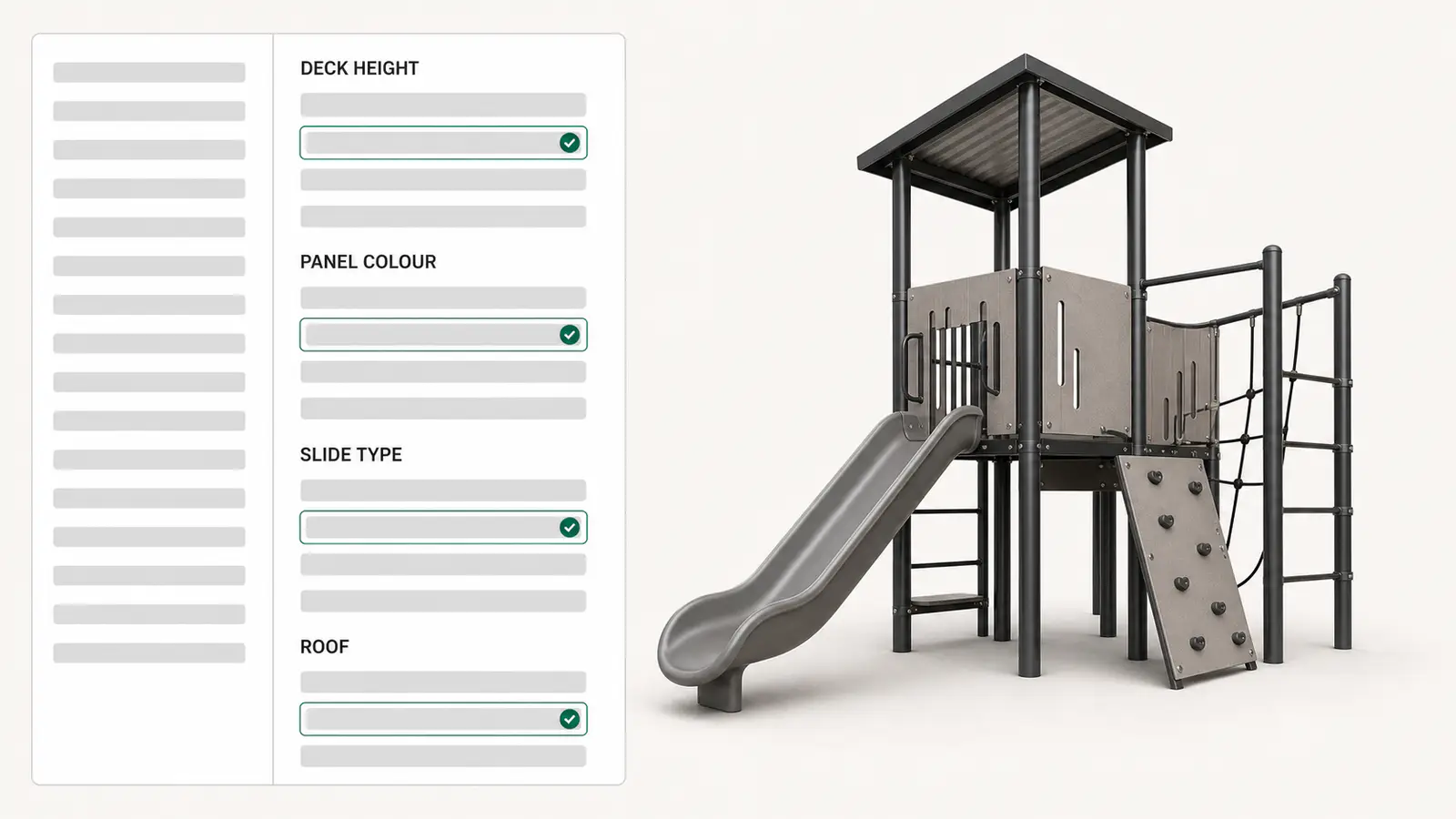
A manufacturer's option list for a modular playground climbing frame becoming the option groups a dealer picks from.
You bring · Your option list
Every size, material, and add-on you sell, in whatever form you keep it today. We turn it into the option groups a dealer picks from.
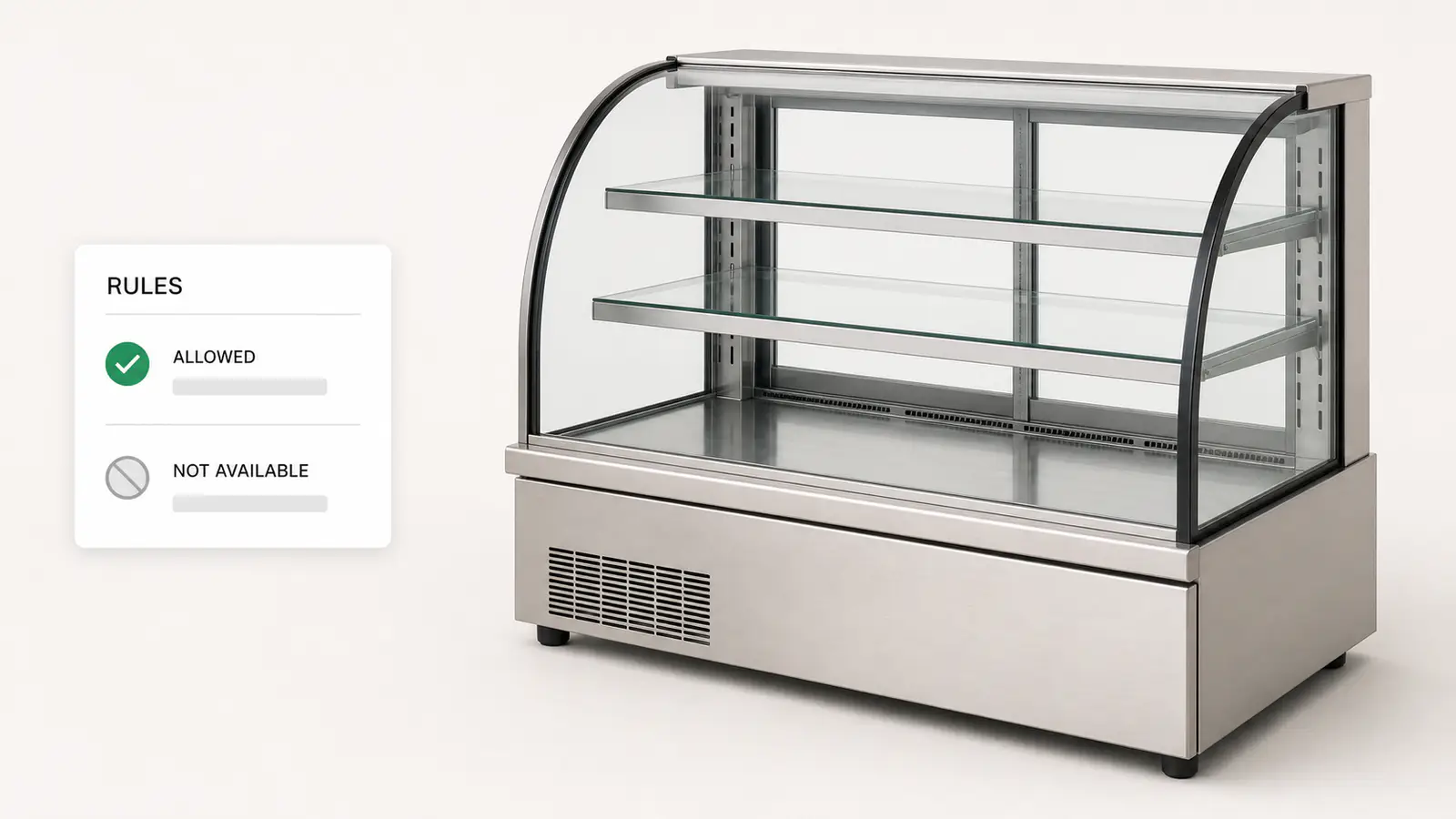
Shop rules being set behind a configured refrigerated display case, with the combination the factory will not build ruled out.
You bring · Your rules
Which combinations your shop will build and which it will not. This is the afternoon that matters most, because everything a dealer can quote comes out of it.
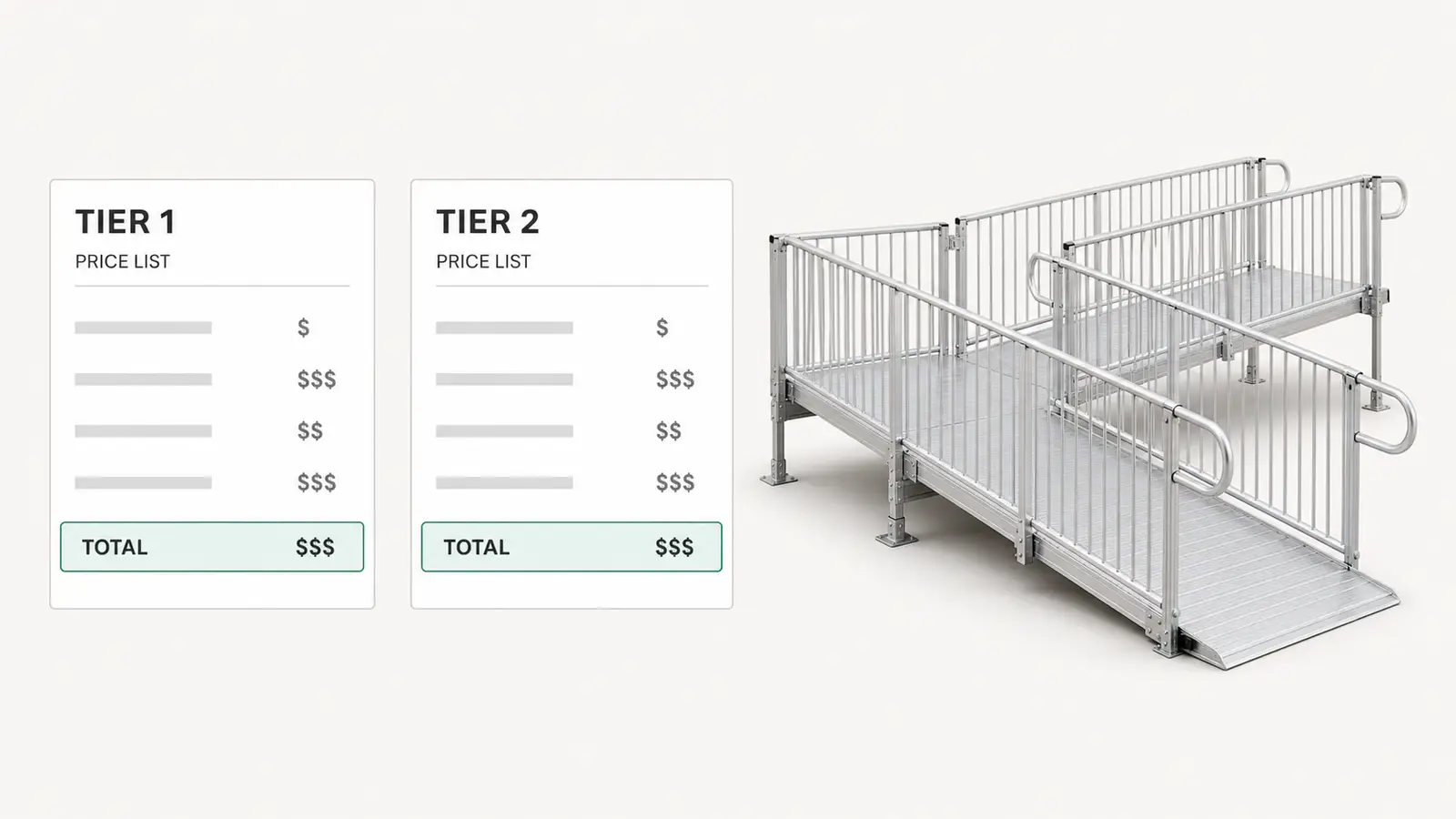
Two dealer price tiers loaded for the same configured aluminium ADA ramp system, each tier opening on its own numbers.
You bring · Your price lists
One list, or one per dealer tier. We load them so each login opens on its own numbers, and your cost price stays on your side of the screen.
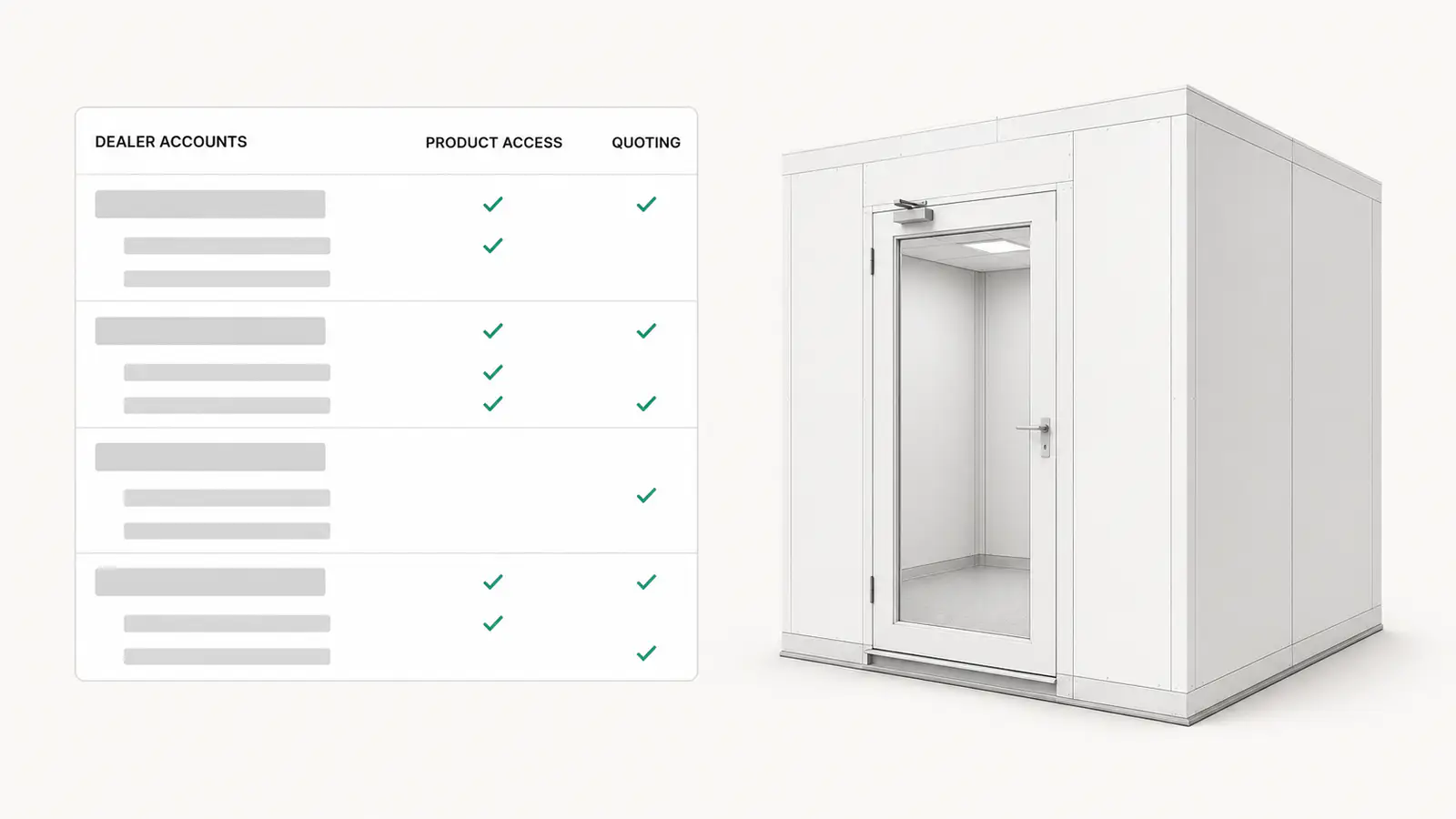
Dealer accounts being set up for a configured modular cleanroom enclosure, each account carrying the products it is allowed to quote.
You bring · Your dealer list
The dealerships, the people inside them, and which products each one may quote. We build the accounts, so nobody waits on an IT project for a login.
How long it takes · One product line, live within a month
We start with one product line rather than the whole range. You hand over the four things above, we build the configurator, the pricing logic, and the dealer accounts on top of them, and that first line is usually live within a month. The rest follow once it is running, and adding one later is a load rather than a rebuild.
What it costs

What CPQ software for manufacturing costs

Every page ranking for this search hides its price behind a contact form. Ours is priced per manufacturer, scoped to your product line and your dealer count, and quoted on the demo call.

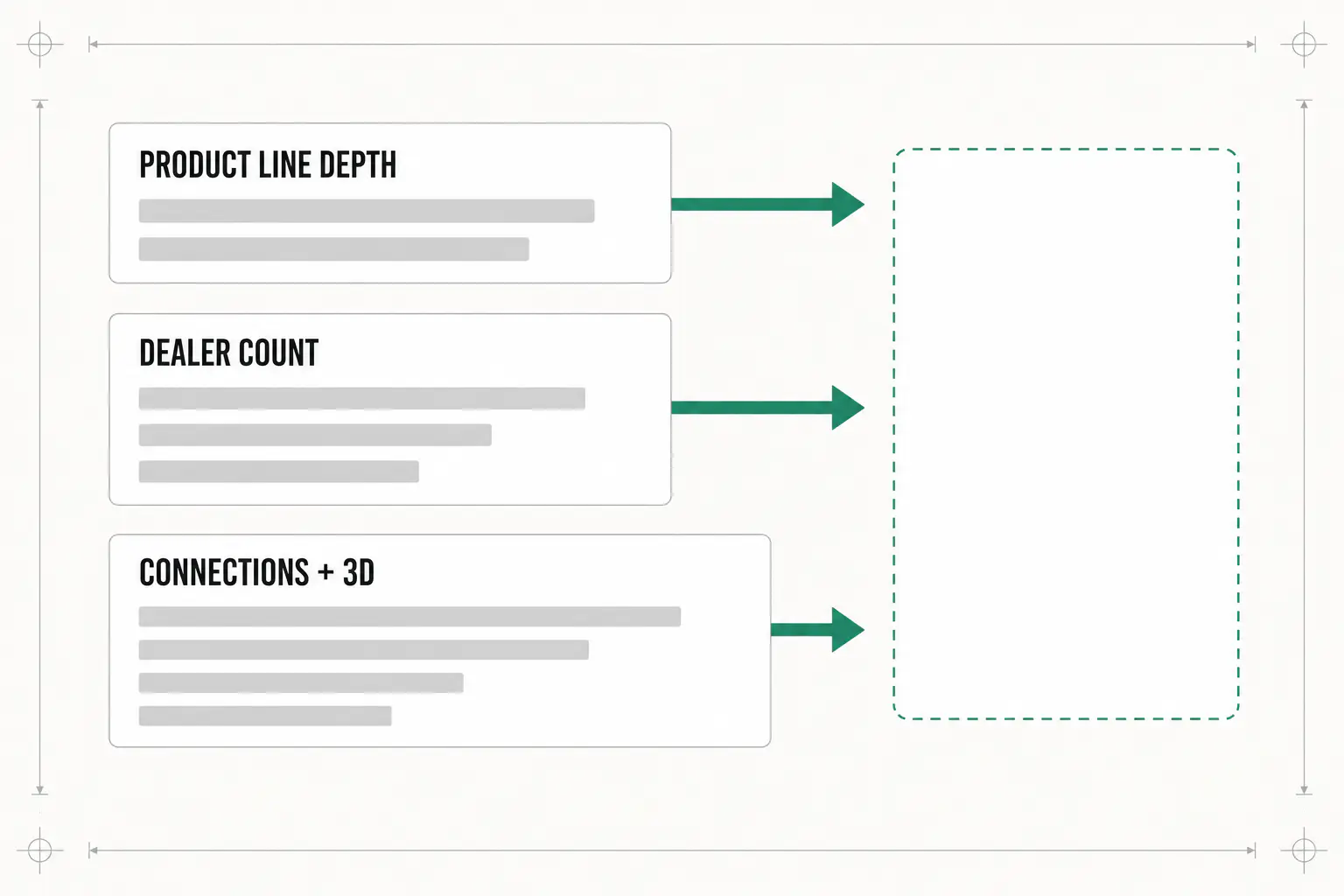
The three inputs that set what a CPQ setup costs: how deep the product line is, how many dealers will quote in it, and which connections and 3D pieces are added.

How deep your product line is

How many products you sell, and how many options, rules, and prices the configurator has to model. A few signature builds scope differently than a deep line with option groups on every one of them.

How many dealers will quote in it

Ten dealers and two hundred dealers are different setups. The second input is how many people will be configuring, quoting, and ordering in your portal.

The pieces you add

3D views, augmented reality in the buyer’s yard, and ERP or CRM connections, scoped in when your setup needs them rather than bundled into a tier you will not use.

Your dealers pay nothing

Dealect is priced for the manufacturer, so the software costs the person who benefits from it. Dealer logins come with your setup, and nothing stands between a dealer and their first quote. You hear your own figure on the demo call, before committing to anything. More on CPQ pricing.

FAQ

CPQ questions

Yes. Your dealer builds the product on screen, prices it, and turns it into a quote in one flow, with every option, rule, and price already set, so the quote is always valid. Nothing is quoted that the shop cannot build, and nothing waits on your office to price it.

CPQ for manufacturing works as one loop. The dealer picks the options on screen and your rules block anything the shop cannot build. The price updates from that dealer's own list as the build changes, and the finished quote reaches the buyer. When the buyer signs, the same configuration becomes the order and the approved spec becomes the build sheet, with nothing retyped along the way.

Yes. The buyer watches the exact build take shape on screen as the price updates with every click, so the quote matches what your shop will make. The 3D view runs off the same configuration the quote is built from, which is what keeps the picture and the number in agreement.

No. CPQ sits in front of your ERP and feeds it. Your ERP plans, costs, and schedules a job once it is real, and it has no idea which option combinations your shop will build or what each dealer pays. An approved order can land in it as line items, quantities, and dates, and the lead behind that order can land in your CRM, with nothing exported or re-keyed.

No. CPQ holds the options, the rules, and the prices, and it hands your shop the approved configuration as a build sheet: every option, size, and material the dealer sold, with the job number attached. It is the approved specification, not a bill of materials and not a drawing, and the systems that own those keep owning them. What changes is that nobody re-keys the specification between the quote and the bench, which is where a wrong size usually enters.

You start with one product line rather than all of them. You hand over the option list, the rules your shop builds to, the price lists, and the dealer list. We build the configurator, the pricing logic, and the dealer accounts on top of them, and that first line is usually live within a month. The rest of the range follows once the first one is running.

It depends on who does the quoting. Most CPQ tools are built for an internal sales team selling direct, and if that is your setup, the enterprise vendors will serve you well. Dealect is built for the other shape: a manufacturer whose dealers quote on their own margin and their own price lists, with the factory cost kept private. Pick for the channel you actually sell through.

Dealect is built for manufacturers who sell through dealers, not just an internal sales team. Each dealer gets their own portal, their own prices, and their own margin, and orders come back to you clean and ready for the shop.

Last updated

Next step

See CPQ built for your product line.

Request a 30-minute demo, bring one product, and watch it configured, priced, and quoted live. We reply by email to set up the time.

  • 30-minute personalized demo
  • See real configurators in your industry

Your call is with the Dealect team.

See pricing